The 10 points to validate during a health and safety (HSE) tour

In many factories, health and safety is still approached in a reactive way: we wait for an incident to occur before acting. Yet, every day offers an opportunity for prevention. And OSH tours are one of the most concrete ways to achieve this.

But for these tours to have a real impact, they must be structured, observable, and tracked. That’s why we offer you here the 10 key elements to validate systematically, whether you are a supervisor, manager or OHS manager.

And if you don’t want to forget anything along the way, we have prepared a downloadable checklist for you, which you can also integrate directly into Gemba-Walk for more fluid and collaborative management.

1. Cleanliness and clutter: the often overlooked base

Let’s start with what jumps out at the eyes, but which sometimes we end up no longer seeing. A factory that accumulates bins on the ground, misplaced cables or parts in the aisles quickly becomes a slippery slope… both literally and figuratively.

It’s not just about appearance. A blocked driveway can delay an evacuation. A forgotten oil puddle can lead to a fall. Cleanliness is the first line of defense against accidents.

💡 In Gemba-Walk, you can easily photograph a clutter, create a task and assign it to the right person and track it.

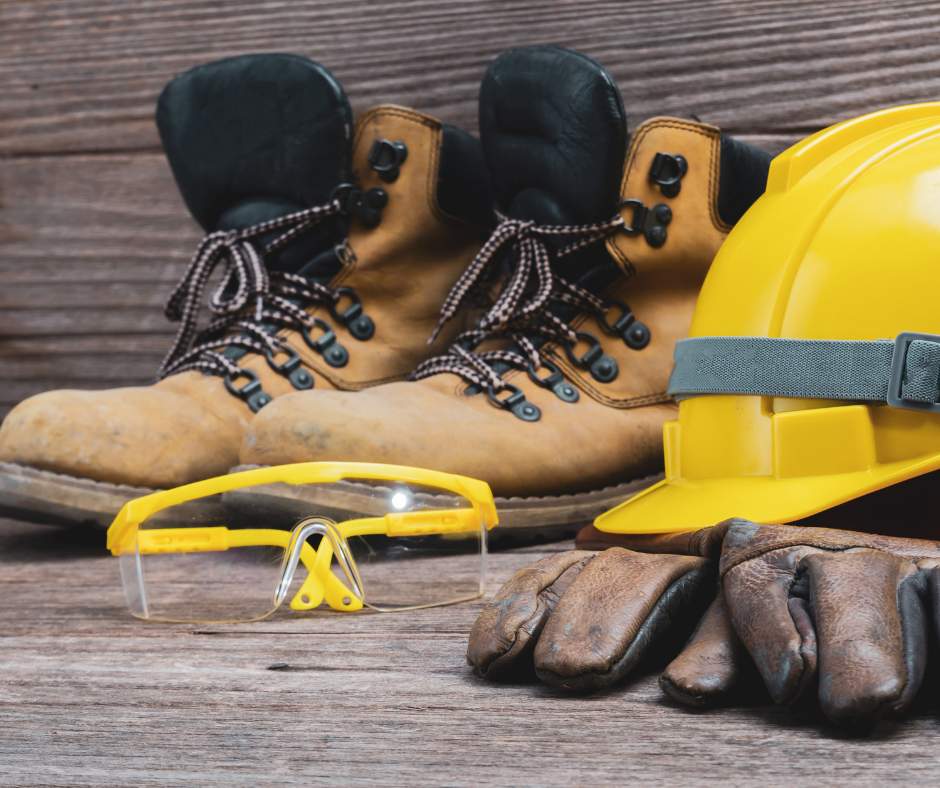
2. Proper use of personal protective equipment (PPE)

We all know this scenario: when you arrive, the employees quickly put on their glasses or helmet. But what about when you are not there?

The wearing of PPE should not depend on the presence of the manager. During your tour, observe discreetly. Are they worn at all times, or only when you pass? Do they look comfortable? Are they in good condition?  These discussions often open the door to improvements.

🔗 How to structure an effective OHS approach thanks to Gemba-Walk

3. Condition of the equipment

It is not a question here of doing a complete mechanical inspection, but of developing your observer’s eye: a machine that vibrates abnormally, an open panel, a neglected indicator light… All that, these are weak signals to pick up.

And if an employee mentions that “the machine has been doing it forever”, this is not a reason to ignore it. On the contrary, this is a good time to check if preventive maintenance is up to date—and if the right communication channels are being used.

💡 Add to your tour a section to ask the operator: “Have you noticed a change in the behavior of the machine?”

4. Signage display: visible does not mean understood

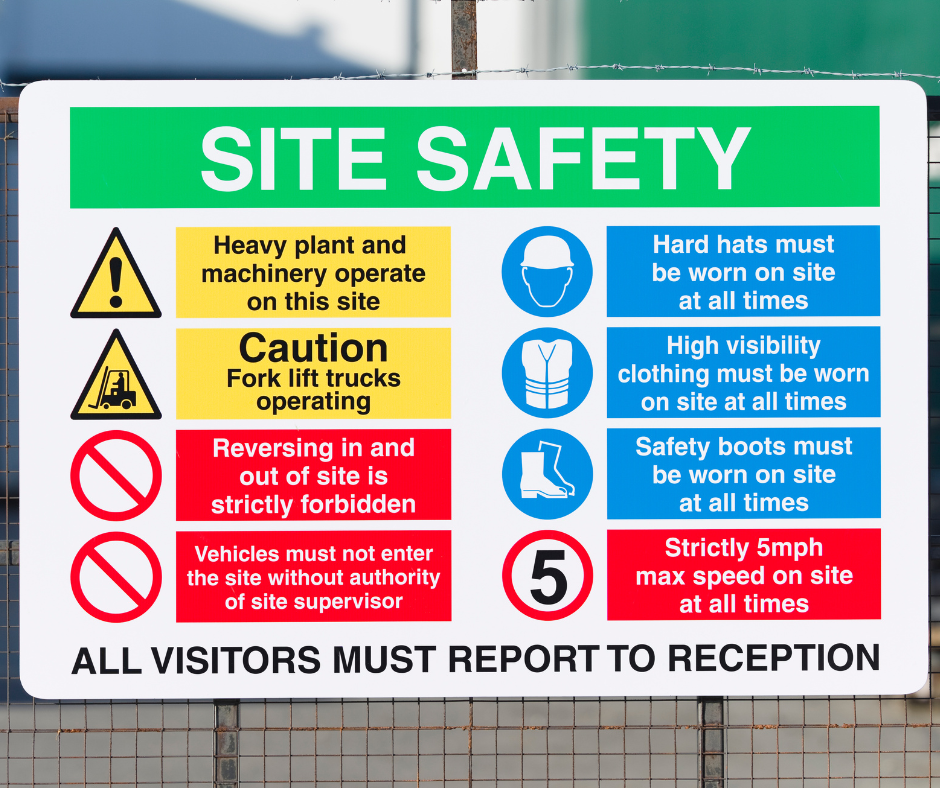
Pictograms hidden behind a pile of boxes, instructions erased or simply ignored: the signage can be omnipresent, but invisible for the accustomed eyes. Ask an employee what a pictogram means – it’s often revealing.
5. Working methods: standardized risk gestures?

It is not uncommon to see an experienced employee adopt risky postures out of habit or concern for efficiency. During your tour, take the time to observe the gestures, the repetitive movements, the physical efforts.

💡 In your tour canvas, add a question like: “Do employees adopt ergonomic and safe postures for all of their tasks?”

Include a comment field to describe or suggest an improvement.

6. Dangerous products: well-organized or within reach of everyone?

Hazardous materials are often used without incident… until the day when a bad label or improper storage causes a reaction, an inhalation or a leak. Your tour should always validate the compliance of the storage locations, but also the accessibility of the data sheets (FDS).

💡 Tip: create a specific check point for chemical areas, with a photo capture of the storage or nearby records.

7. Mechanical and electrical risks: the invisible that hurts

A missing electrical panel cover, an unprotected moving part, a barrier bypassed temporarily… as many small deviations that can lead to serious injuries. These elements are sometimes ‘temporarily accepted’, but quickly become standard.

8. Lighting and ventilation: ambient safety

You may not notice right away that the lighting is low… until an employee has to work in the shadow to read a code or inspect a room. Similarly, insufficient ventilation can impair comfort, alertness, and health.

9. How do you react to risky behavior?

What you see is important, but what others do when you are not there is even more. Observe: is risky behavior reported? Ignored? Corrected? Does the environment reflect a culture of intervention or silence?
10. Follow-up of previous rounds: the credibility of the process

An OHS tour only has impact if the actions that result from it are followed. If employees notice that the same issues are coming back, without corrective action, they will stop taking the process seriously.

👉 If the same weak point comes up three times in the month, it is no longer an oversight, it is a signal of improvement on a larger scale.

📥 Download your customizable SST checklist

To help you structure your next SST tour and ensure complete risk coverage, we have prepared a ready-to-use customizable template.

You can download the document or request a demo of our Gemba-Walk tool to see how our clients structure their SST tours with rigor and simplicity.


Download the SST checklist now 📄


Schedule a demo 👨‍💻

Back to blog posts

Structure your OHS rounds to prevent incidents

Occupational health and safety (OHS) should never be a paper exercise or an administrative burden. For it to work, it must be integrated into daily operations, experienced on the floor, by the right people, at the right time. That’s exactly what a well-structured floor tour allows.

And with a tool like Gemba-Walk, you turn your inspections into a continuous improvement engine, with concrete results from the first weeks.

🔍 Why floor runs are essential in OHS

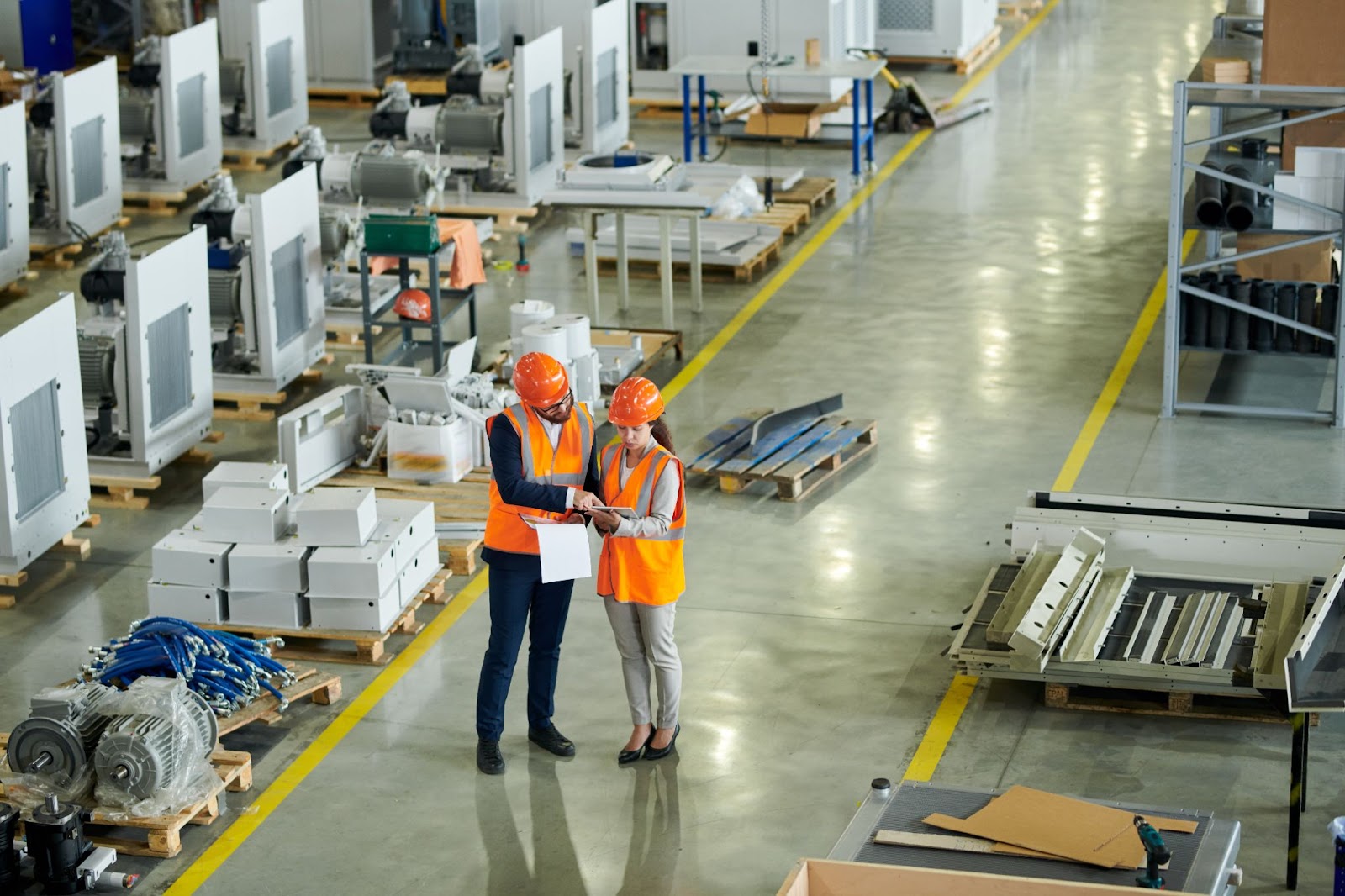
The floor tour is often perceived as a mere inspection tour. Yet, when used properly, it becomes a proactive activity that allows for the detection, correction and prevention of risks before they turn into incidents.

What a good OHS tour allows to do:

  • Identify gaps between actual practices and safety standards
  • Give a voice to workers by involving them in prevention
  • Quickly correct risky situations
  • Document the actions to ensure their follow-up

🧭 Structuring an OHS tour: the key elements

To be effective, an SST tour should not be improvised. Here are the pillars to implement:

1. A targeted verification grid

Adapt your questions to your reality (factory, warehouse, construction site, etc.). Avoid generic forms. Gemba-Walk allows you to customize your tours according to your priority issues: equipment, dangerous products, traffic, PPE, etc.

2. Visual evidence

A picture is worth a thousand words. Gemba-Walk allows you to add photos to each observation, which speeds up the understanding of the problems and strengthens accountability.

3. Mandatory comments

Don’t just settle for a ‘yes’ or ‘no’. Encourage your supervisors to comment on each anomaly to better understand the causes and plan solutions.

4. An automated follow-up of corrective actions

With Gemba-Walk, you can assign actions in real time, track their progress and receive reminders. No more need to send manual emails or constantly retry.

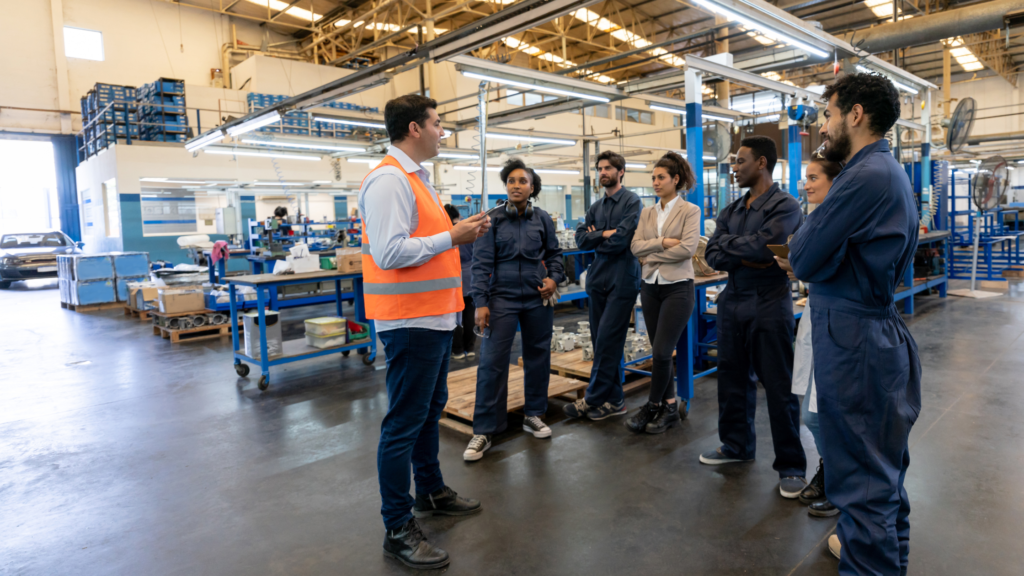
👥 The role of each person in the SST tour

Managers: define priorities, support the safety culture
Supervisors: lead the tours, document, correct
Employees: report risks, propose improvements

When each role is clear and supported by a simple tool like Gemba-Walk, OHS becomes a shared responsibility.

📊 Measure to improve

One of the strengths of digital technology is the ability to quantify your efforts. Gemba-Walk allows you to track:

  • The number of OHS findings per week
  • The average processing times
  • The recurring risk areas
  • The unresolved actions

This data feeds your OHS committees, your management meetings, and your strategic decisions.

✅ Results observed among our clients

  • Decrease in minor incidents in a few months
  • Better involvement of the teams
  • Faster and more rigorous processing of findings
  • Up-to-date documentation for audit or investigation purposes

🧰 Practical resources to get started

👉 Access our interactive demo Gemba-Walk
👉 Download a customizable SST tour template 
👉 Consult our guide: The steps of the Gemba-Walk in a Health and Safety context

🚀 Ready to structure your SST tours with Gemba-Walk?

No longer let security depend on chance or memory. Plan an effective tour, follow corrective actions, and build a strong prevention culture.

Try the interactive demo now!


View the demo

Back to blog posts

Gemba-Walk and health and safety: preventing incidents at the source

Health and safety are central to the concerns of any industrial or manufacturing company. However, in many cases, inspections remain punctual, reactive or disconnected from the field. This is where Gemba-Walk changes the situation.

A floor tour is more than a form to fill out

By integrating OHS into your daily or weekly rounds, you create a field awareness reflex. The objective is not to fill out a checklist to check boxes, but to see what we tolerate too often, and to involve teams in a continuous prevention process.

What we often observe during an SST Gemba-Walk

  • A cluttered work area that hinders traffic
  • Poorly worn personal protective equipment (PPE)
  • Poorly identified containers of hazardous materials
  • A blocked ventilation, or alarms ignored
  • Emergency procedures not displayed

Thanks to the application, supervisors take a photo, add a mandatory comment, and immediately assign a corrective action. Everything is documented, traceable, and shared with the concerned people.

Results ?

  • Faster corrections
  • Increased accountability of teams
  • A reduction in minor incidents (often precursors of more serious ones)

Managers often tell us that “security has finally become a shared responsibility again, not just pressure from the office.”

What if prevention became a collective reflex?

With Gemba-Walk, OHS becomes a living, concrete subject, aligned with the daily life of your teams. Our tool allows to automate the follow-ups, but especially to put the human at the center of the OHS process. Because a safe space is first and foremost a place where everyone feels listened to… and protected.

See for yourself how it works!

Experience a Gemba-Walk tour with our interactive online demo:


Access the interactive demo

Back to blog posts

What is safety in the manufacturing industry?

The manufacturing industry is responsible for producing goods that are essential to our daily lives. From food and clothing to medical devices, this industry plays a vital role in providing us with basic necessities. However, safety has always been a concern for manufacturers. While some incidents are unavoidable, there are ways to reduce risks, minimize accidents and improve safety standards.

There are several ways to ensure workplace safety. One way is through training, which helps employees develop skills and knowledge needed to perform their jobs safely. Another way is through proper supervision, which involves ensuring workers follow correct procedures or guidelines. In this article, we explain what manufacturing safety is as well as share expert tips to optimize safety in the manufacturing industry.


What is manufacturing safety?

Manufacturing safety refers to all activities that take place in a facility during the production of goods or services. These include activities related to product design, quality control, maintenance, repair, cleaning, packaging, shipping, storage, transportation, installation, commissioning, training, and any other activity that takes place within a facility.

Different jobs fall under the category of the manufacturing industry, each of which comes with its own set of safety issues. Below are a few of the jobs that you can expect to find within the industry:

  • Maintenance engineer
  • Production manager
  • Production worker
  • Quality control technician
  • Warehouse operative
  • Etc.

All of these workers are involved in the manufacturing process in one way or another and manufacturing safety procedures are put in place to keep employees safe and prevent workplace accidents.

How to reduce accidents in the workplace


High-risk manufacturing safety hazards

  • Operating heavy machinery
  • Handling hazardous chemicals
  • Electrical hazards
  • Trip hazards
  • Biological hazards
  • Handling flammable material
  • Using welding equipment
  • Etc.

Although all manufacturing facilities face these potential hazards, if the work environment is properly controlled, employees are adequately trained to use the machinery and everyone is provided with protective equipment, you can mitigate the chances of workplace injuries occurring.


What is the importance of safety in the manufacturing industry?

Safety is an important part of any manufacturing process. It ensures that workers are protected from hazards such as heavy machinery or chemicals. In addition, safety helps prevent injuries and fatal accidents on work sites. Manufacturing companies that have safety protocols in place provide a safer workplace for employees.

Safety walk vs Gemba walk


Responsibilities under the occupational safety and health act

The occupational health and safety act was put in place to keep workers safe. It’s designed to ensure employers take responsibility for the well-being of employees and respect workers’ rights.

Workplace inspections

It’s the responsibility of employers to adhere to the government’s legislation, but it is the government’s responsibility to carry out inspections to ensure compliance. Inspectors are regularly deployed to manufacturing sites to assess the safety procedures in place.

They observe a variety of things, including the distribution and use of protective equipment, the safety of machinery operations, and the actual work that is being done. During their inspections, they make sure both employers and employees are doing everything they can to improve workplace safety.

Incident investigations

Although the aim of workplace safety is to minimize the chances of accidents happening, at the end of the day, there’s nothing that can completely prevent them. Therefore, when incidents that involve serious injury, or potential death, occur it’s the role of the government to investigate the incident.

A third-party impartial inspector generally assesses the situation, and determines the cause of the incident. If it comes to light that the employer was negligent, the appropriate punishment is administered. It’s also during the investigation process that the victims’ compensation is agreed upon.

Promotion of training, education, and research

The promotion of training, education, and research is also specified in the occupational health and safety act. Training employers and employees is important because it ensures that everyone knows exactly what they are supposed to be doing. When you train everyone, you create a standardized approach for work which reduces opportunities for error. Research is also essential as there is always more you can do to create safe working environments.


Tips to optimize safety in the manufacturing industry

Perform safety Gemba walks

Optimizing safety in your workplace requires constant assessments of your current procedures. Continuously checking what is working and looking for areas of improvement helps optimize safety procedures. The best way to implement continuous improvement in your manufacturing business is to perform regular safety Gemba walks.

Gemba walks follow the lean management philosophy of Kaizen, which promotes rapid improvements within businesses. Gemba walks consist of regularly touring your manufacturing floor to assess operations and identify ways to make the workplace safer.

Discover the Gemba walk app

Understand rules and regulations

The occupational safety and health act is designed to provide guidance for all employers on how to properly maintain a safe working environment. You need to read and fully understand the rules and regulations set out in the act in order to ensure you are meeting all the requirements that a manufacturing plant needs to adhere to.

Collaborate with workers

No one knows more about the working conditions than your workers. They know how everything works and they are the ones on-site every day. They are therefore your biggest asset when it comes to improving manufacturing safety.  Getting feedback from workers regarding what could be improved to make them feel safer will give you direct insights into the changes you should make. Moreover, when workers feel listened, it can boost employee morale.

Identify the greatest risk

If you’re aware of what the risks are in your workplace, you are better prepared to deal with them. You need to identify the areas of concern that need your attention. Once these areas have been identified, you can then determine the best ways to minimize the risks. For example, if the handling of hazardous materials is your biggest risk, you need to ensure everyone has proper PPE. If dangerous machinery is your biggest risk you need to provide everyone with adequate training.


Manufacturing safety software

Manufacturing safety should be at the top of all employers’ priority list. Without proper safety procedures, company owners put employees at risk, which reflects badly on their reputation. The best way to make sure you create the safest possible working environment is to invest in manufacturing safety software. The Gemba walk app helps manufacturers collect data surrounding workplace safety. You can then use this data and the insights get through your safety Gemba walks to create a safer environment and promote worker safety.

Our Gemba walk software allows you to:

  • Easily take digitized notes
  • Reduce data collection time
  • Obtain invaluable insights
  • Integrate your information into a task management software

Learn more 

Safety walk vs. gemba walk

If you truly want to find ways to improve the functioning of your business and provide good work conditions, you need to be on the factory or shop floor on a regular basis. This is where safety walks and Gemba walks come in handy. Both serve to provide deep insights in areas that are integral to business growth. In this article, we explain what safety walks and Gemba walks are as well as how they can help you identify opportunities for continuous improvement.


Continue reading “Safety walk vs. gemba walk”

How to reduce accidents in the workplace

If you are running your own business, it is essential that you have systems in place that are designed to limit the chance of a workplace accident occurring. This is even more important if you are in an industry that is labor intensive, where there is an increased likelihood of workplace injuries occurring.

There can be serious consequences if an injury occurs and you have been negligent in your safety precautions. In order to help you prevent accidents in the workplace and mitigate the risk of injury, we created this article to help you implement safety measures and ensure a safe work environment.


What is a workplace accident?

A workplace accident is an unexpected event that causes physical harm to an employee. In 2019, 925 workplace fatalities were recorded in Canada (source).

Different workplaces have varying levels of risk for workplace injuries. For example, individuals working on a construction site are more likely to experience a workplace injury than a person working at a desk in an office.

Although some professions are more susceptible to workplace accidents, none are immune.  This is why those in charge need to regularly assess the working environment and continuously implement safety measures to prevent accidents.

How to improve your business with Gemba Walk


What can cause accidents at work?

There are different factors that can cause workplace accidents. The kinds of injuries that occur can vary from profession to profession. Some types of accidents are more likely to occur in some workplaces than in others. However, in general, most workplace accidents can be attributed to common causes such as:

  • Falls
  • Overexertion or fatigue
  • Distractions
  • Messy work environments
  • Unsafe or broken machinery
  • Heavy lifting
  • Dealing with hazardous materials
  • Lack of personal protective equipment (PPE)
  • Workplace violence
  • Manual handling
  • Moving vehicles in the work area

This list is not exhaustive. Workplace accidents can come from anywhere at any time which is why it is essential to be vigilant and stay on top of workplace safety.


Five tips to prevent accidents at work

There is no limit to what you can do to ensure that your workplace is an accident-free zone. Here are a few tips on how to prevent workplace accidents and ensure that your workplace is as safe as possible.

Perform safety Gemba Walks

Gemba safety walks are a great way to continuously monitor the safety of your work environment. Gemba walk is a management technique that consists of walking and observing processes in order to foster a culture of continuous improvement. Gemba walks can focus on different aspects of your business (leadership, workplace safety, etc.).

A Gemba safety Walk or a safety Gemba Walk is basically a safety walk which is integrated into the Gemba management method. Businesses perform them to find areas of improvement as well as identify the actions that are needed to make daily tasks and work safer.

Performing regular Gemba Walks will ensure that safety measures are not forgotten and are continuously updated to accommodate changing work conditions. It will also allow you to be able to quickly identify whether something is unsafe or simply not working to the advantage of your employees.

Invest in a Gemba Walk app

Conduct risk assessments

In order to prevent risks, you need to know exactly what the risks are which is why it’s important to conduct thorough risk assessments. Once the risks have been identified, it is your responsibility to put systems in place that are designed to reduce the likelihood of accidents occurring. You also need to be able to identify which individuals are most likely to be affected by the risks present, as this will inevitably inform how you train them.

Provide thorough training

Training is essential if you want to limit the chances of an accident happening at work. After all, if people don’t know how to properly do their job, there is a good chance that something will go wrong. Training is especially important for jobs that involve machinery or vehicles. If the employees who are tasked with using these don’t have a thorough understanding of how the equipment works, they are likely to cause mishaps. By providing regular training, you can optimize safety at work.

Keep the workplace clean

One of the biggest hazards in a workplace is a messy space. If you have things all over the floor, you automatically increase the chances of someone slipping or falling. This is one of the most basic rules in workplace safety and is extremely easy to achieve with minimal effort.

You should establish a regular cleaning routine and ensure that you set cleanliness standards in the workplace. You should also ensure that any unexpected problems such as water leaks are dealt with immediately. These simple steps will help keep your working area clean and clear and reduce the chances of workplace accidents.

Make people aware of dangers

In some cases, dangers in the workplace are simply unavoidable. However, this does not mean that they have to cause accidents. For example, industries in which harsh, flammable chemical substances are often used are more exposed to the risk of a workplace fire.

Thankfully, if you make workers aware of the dangers associated with the materials they use, in addition to providing adequate training, you will be able to mitigate the problem. Similarly, if there is an area of the workplace in which hazardous materials are present, you should put signs that remind people to wear their PPE. Even minor temporary dangers, such as water on the floor, should have warning signs around them.

How long should a Gemba Walk take? 


What should you do when an accident happens in the workplace?

If an accident occurs in the workplace, the first thing you need to do is ensure the individual or individuals who are hurt are out of harm’s way and that there is no threat of immediate danger to anyone else. You then need to report the incident. Once this has been done, you should organize a Gemba safety Walk to determine how to best mitigate the problem in the future.

Understanding lean six sigma


Digitize your Gemba Walk

At the end of the day, it is your responsibility as a business owner and employer to ensure the occupational safety of everyone who works for you. The best way to do this is to perform regular Gemba safety Walks to ensure a danger-free working zone.

The Gemba Walk app, developed by Shift, brings lean management and safety to the cloud. Our online system makes collecting the data from a Gemba Walk easier than ever, as all of your team’s findings can be uploaded online. You can use our system online or offline and generate comprehensive reports based on your data and findings.

The Gemba Walk app goes beyond simple safety and can also encompass management, production, human resources, and IT, thereby allowing you to improve your business from every angle.

Contact us