After the Gemba-Walk: Put your observations into action to boost your operations!

After surveying the corners of your business, closely scrutinizing each operation during multiple floor tours and gathering a mountain of data, comes the crucial step: take action! Because for us, floor tours are not only pleasant walks, they are the starting point to find challenges, seize opportunities and trigger change. So, what to do once you have walked the aisles of your company several times?

Here is our guide to turning your observations into concrete actions that will propel operational excellence!

1. Dissecting Data: Understanding Trends and Problems 🧐

After your floor runs, dive into the data collected. Review each observation, each note carefully. Identify emerging trends, patterns and sticking points. This analysis will serve as a basis for setting your priorities and designing effective solutions.

2. Focus your efforts: Prioritize issues 🆙

Not all problems are the same. Prioritize them based on their impact on your operations. Focus on areas where improvements will have the greatest impact. This will allow you to optimize the effectiveness of your actions and manage your resources wisely.

3. Create Together: Engage your team in problem solving 🙋🏽‍♀️🙋🏽‍♂️

Problem-solving is a team effort! Involve everyone in the process. Organize brainstorming sessions to bring out the most creative ideas. Make sure the proposed solutions are practical, feasible and aligned with your goals. The diversity of viewpoints can be a source of innovation!

4. Accurately Plan: Implement Solutions 🔑

Once solutions are defined, develop a detailed action plan to implement them. Set clear goals, realistic deadlines and define responsibilities. Ensure that each team member understands their role and contribution to collective success.

5. Communicating and Encouraging: Creating a Collaborative Environment 🤝

Communication is the key to maintaining the momentum of continuous improvement. Openly share the results of your floor tours with the entire team. Promote exchanges of ideas and feedback. Make sure everyone feels involved and involved in the change process.

6. Evaluate and adjust: Be agile to results 🎯

Your work is not finished once the actions are implemented. Regularly monitor progress and evaluate the effectiveness of implemented solutions. Be prepared to adjust your approach if necessary based on the results obtained. Continuous improvement is a journey, not a destination!

7. Embed in Corporate Culture: Making Floor Tours a Habit ☕

Finally, integrate floor tours into the daily life of your company. Encourage all team members to actively participate and maintain a constant commitment to continuous improvement. Floor tours should not be an isolated event, but a natural part of your corporate culture.


In conclusion, floor tours are a powerful tool to identify opportunities for improvement and drive change within your business. By following these steps after your tours, you will turn your observations into concrete actions that will propel your company towards operational excellence! So, ready to take action? If you want to find out how our Gemba-Walk app can help you optimize your operations and implement these recommendations effectively, feel free to schedule a demo with one of our representatives today!

Schedule a demo


Back to the blog posts

How can Gemba walks help identify and address waste in processes?

Are you looking for a way to identify and address waste in your processes? Look no further than Gemba walks. These walks are an effective tool that can help you pinpoint areas of waste and optimize your processes for maximum efficiency. By getting out of the office and onto the shop floor, you can observe firsthand where inefficiencies lie and take immediate action to address them. In this article, we explain how you can meet your business goals thanks to Gemba walks. 

Key Takeaways

  • Gemba walks allow for direct observation of activities, interactions, and processes, leading to the identification of various types of waste.
  • Gemba walks create an open channel for communication and collaboration, allowing employees to express their ideas and concerns about inefficiencies.
  • Waste identified during Gemba walks can be quickly addressed through immediate action, leading to process optimization and improved operational efficiency.
  • Gemba walks promote a culture of continuous improvement and involve employees at all levels in contributing to lean manufacturing principles.

The Importance of Gemba Walks in Waste Identification

Gemba, meaning “the actual place” in Japanese, refers to the practice of going to the workplace to observe and understand how work is done. By physically being present on the shop floor or in the office, you can directly observe the activities, interactions, and processes taking place.

During a Gemba walk, you have the opportunity to engage with employees and workers at all levels. By talking to them and observing their work firsthand, you can gain valuable insights into potential sources of waste. Employees are often keenly aware of inefficiencies or bottlenecks but may not always have an outlet for expressing their ideas or concerns. Through Gemba walks, you create an open channel for communication and collaboration.

By actively observing the work environment during a Gemba walk, you can identify various types of waste such as overproduction, defects, waiting time, unnecessary motion, or transportation. These observations allow you to pinpoint areas where improvements can be made. Additionally, by involving employees in this process, they feel empowered to share their knowledge and contribute towards finding solutions.

Gemba walks provide opportunities for improvement by highlighting areas where changes can be made to eliminate waste. By equipping yourself with tools like value stream mapping or 5S methodology during these walks, you can further analyze processes and devise effective strategies for waste reduction.

Invest in a Gemba walk app

Key Benefits of Gemba Walks in Process Optimization

One of the key benefits of conducting Gemba walks is that they can quickly highlight areas where processes can be optimized. By physically observing the work environment and engaging with employees, Gemba walks provide valuable insight into day-to-day operations. 

Here are three ways Gemba walks contribute to process optimization:

  • Waste Identification: Gemba walks allow you to identify various types of waste, such as overproduction, defects, waiting time, excess inventory, unnecessary motion, and transportation. By actively seeking out these wasteful activities, you can take immediate action to eliminate or reduce them.
  • Continuous Improvement: Gemba walks promote a culture of continuous improvement by encouraging employees to suggest potential improvements based on their firsthand experiences. This collaborative approach fosters innovation and empowers individuals at all levels to contribute towards lean manufacturing principles.
  • Operational Efficiency: Through Gemba walks, you gain a deep understanding of how processes flow and interact within the organization. This knowledge enables you to identify bottlenecks, streamline workflows, and implement changes that improve operational efficiency.

Common Types of Waste Uncovered During Gemba Walks

There are various improvement opportunities on any shop or production floor. One of the main areas that can be improved is waste reduction. 

Transportation Waste

Gemba walks are a critical practice in lean management that involves leaders going to the workplace (Gemba) to observe processes and uncover various types of waste, including transportation waste. During these walks, leaders and people directly involved in the task are encouraged to engage in open discussions and use a checklist that emphasizes safety, quality, and procedure adherence.

By closely examining how materials or products move within the process, leaders can identify unnecessary movements and transportation, ensuring that resources are used efficiently and aligned with customer demands. This proactive approach empowers employees to contribute to waste reduction, ultimately improving overall quality and operational effectiveness.

Inventory Waste

Gemba walks play a crucial role in identifying inventory waste as a key component of ongoing process improvement. When management teams engage in Gemba walks, they gain a deeper understanding of processes and operations through direct observation and interaction with employees performing regular tasks. The ultimate goal is to foster a more thorough comprehension of task management and inventory levels. 

By closely examining how materials are stocked and managed on the shop floor, leaders can pinpoint excess inventory, ineffective storage practices, and areas where materials are underutilized. This hands-on approach empowers teams to make informed decisions to optimize inventory levels, reduce costs, and enhance overall operational efficiency.

Employee Potential Waste

Gemba walks serve as an invaluable tool in uncovering employee potential waste within an organization’s continuous improvement platform. By engaging in direct observation and regular interaction with fellow employees, Gemba walkers gain valuable insight into individual employee performance and input. This genuine desire to understand day-to-day operations provides real opportunities for employee evaluation and recognition of their untapped potential. 

Gemba walks become an integral part of the improvement cycle, fostering a culture where employee contributions are not just encouraged but actively sought out. This approach leads to enhanced operational performance and ensures that the full spectrum of employee capabilities is leveraged for continuous improvement.

Strategies for Conducting Effective Gemba Walks

Effective Gemba walks are a great lean manufacturing technique to improve processes in the manufacturing industry. Here are tips for conducting them:

  • Develop a Solid Understanding: Begin by gaining a solid understanding of the process or area you intend to observe. Study current practices, standard procedures, and quality management systems.
  • Set an Achievable Goal: Define a clear and achievable goal for the Gemba walk, such as improving efficiency, safety, or quality.
  • Engage Directly with Frontline Workers: Start by engaging in a dialogue with workers on the shop floor. Encourage open and respectful communication to gain their trust and insights.
  • Observe and Collect Data: Walk through the process, observing each step closely. Use digital check lists or a Gemba walk app to record your observations.
  • Focus on Value-Creating Work: Concentrate on identifying value-creating work and areas where overburdened people or wasteful activities exist.
  • Ensure Safety: Look out for any imminent safety hazards and address them immediately. Safety is a top priority.
  • Respect for People: Show respect for frontline workers and their knowledge. Acknowledge their contributions and suggestions.
  • Feedback to Management: Provide feedback to upper management based on your observations. Discuss any complex issues and propose solutions.
  • Regular Practice: Make Gemba walks a regular practice, not a one-time event. Schedule them periodically to monitor progress and sustain improvements. 

Are there any specific tools or techniques that can be used during a Gemba walk?

Overcoming Challenges in Waste Identification Through Gemba Walks

To overcome challenges in waste identification during Gemba walks, you can actively involve frontline employees and encourage them to share their insights and suggestions for improvement. By creating an environment that values their input, you can harness their knowledge and experience to identify waste more effectively. 

Here are some strategies to address these challenges:

  • Foster open communication: Encourage employees to voice their observations and concerns regarding waste in processes. Actively listen to their feedback and create a safe space for them to speak up without fear of repercussions.
  • Provide training on lean management tools: Equip your employees with the necessary skills and knowledge to identify waste using lean management tools such as value stream mapping or 5S. This will empower them to actively participate in the waste identification process.
  • Conduct regular Gemba walks: Schedule regular Gemba walks with frontline employees to gain a deeper understanding of the processes firsthand. This will allow you to observe potential sources of waste and engage in real-time problem-solving discussions.
  • Implement a feedback loop: Establish a system where employees can provide continuous feedback on identified areas of waste. This will ensure that improvements are implemented promptly, fostering a culture of continuous improvement efforts.

Invest in a Gemba Walk App

If you are looking for a way to improve the efficiency of your Gemba walks, the Gemba walk app is the ultimate solution. Our app streamlines the Gemba walk process, allowing for real-time data capture and analysis. This enhances efficiency by eliminating the need for paper-based checklists and manual data entry.

The app also promotes better communication and collaboration among team members, as findings can be instantly shared with relevant stakeholders. Furthermore, it facilitates data-driven decision-making by providing comprehensive insights into process performance, making it the ideal solution for all Gemba walkers. 

Book a demo 

Frequently Asked Questions

Gemba walks are crucial for understanding the reality of operations, identifying waste, engaging with employees, and fostering a culture of continuous improvement.

Gemba walks are usually conducted by managers, supervisors, or lean facilitators, but they can involve anyone interested in improving processes.

The main goals are to identify and eliminate waste, improve process efficiency, enhance product or service quality, and engage employees in problem-solving.

SEO GLOSSARY

Gemba, waste, employee, gemba walk, observations, people, goal, workers, steps, improvements, gemba walks, customer, leaders, checklist, issues, opportunities for improvement, tools, understanding.

Task, solutions, efficiencies, manufacturing, safety, practice, communication, valuable insight, continuous improvement, feedback, quality, production, procedure, list, shop floor, process improvement.

Employee engagement, lean manufacturing, improvement opportunities, potential improvements, production floors, decisions, continuous improvement efforts, continuous improvement process, ideas for improvement.

Improvement plan, employee morale, collaboration between employees, deep understanding, deeper understanding, company goals, primary goal, business leaders, team leaders, crucial step, key steps.

Operational efficiency, cost efficiency, regular basis, actual work process, active communication, effective solution, informed decisions, Genchi Genbutsu, key component, ongoing process, management team.

Wasteful activity, continuous improvement initiatives, suggestions for improvement, continuous improvement platform, employee evaluation, employee input, employee performance evaluation, fellow employees.

Individual employee, gemba walkers, invaluable tool, lean management tools, essential tool, lean tool, manufacturing process, understanding of processes, understanding of operations, ultimate goal.

Customer satisfaction, insight into customer needs, customer expectations, customer service, valuable feedback, constructive feedback, personal observation, record observations, process steps.

Process efficiency, daily tasks, regular tasks, task management, potential safety hazards, safety hazards, production process, daily basis, day basis, basis, safer work environment, potential waste.

Sources of waste, checklist template, potential issues, quality products, potential solutions, standard operating procedures, list of questions, first-hand look, genuine desire, Japanese language, key performance indicators, common process, established process.

What challenges or obstacles can arise during Gemba walks, and how can they be overcome?

Gemba walks, originating from the Japanese term “Gemba” meaning “the real place,” involve leaders going to the actual work area to gain insights and make improvements. While they can be highly effective in identifying issues and fostering a culture of continuous improvement, there are common challenges that leaders may encounter during these walks.

In order to ensure the success of Gemba walks, it is crucial to anticipate and address potential obstacles. This article explores the various challenges that can arise during Gemba walks and provides practical strategies to overcome them, allowing leaders to reap the full benefits of this valuable management practice.

Key Takeaways

  • Employees are unwilling to participate when things change too quickly or they don’t understand new processes.
  • Confronting communication barriers is essential so everyone understands the benefits of Gemba walks.
  • By creating a schedule for your Gemba walk you will be able to tackle any time constraints that might be holding you back.
  • Leveraging mobile devices makes Gemba walks far more efficient and improves success rates.

Common Challenges That Arise During Gemba Walks

When done well, Gemba walks are the perfect way to ensure your business is continually improving. In order to help ensure your Gemba walk operations are successful, we have highlighted some of the most common obstacles that arise during Gemba walks and solutions to overcome them.

Lack of Participation From Employees

Lack of participation from employees can be a common challenge faced by management teams when trying to implement Gemba walks as a tool for continuous improvement. Employees may not fully understand the importance of their involvement or may be hesitant to take part due to a lack of clarity on what is expected of them during these walks.

To overcome this challenge, it is crucial for management to effectively communicate the purpose and benefits of Gemba walks to employees. By clearly explaining that Gemba walks provide an opportunity for employees to actively contribute to process improvement, share their insights and ideas, and help create a culture of continuous improvement, employee engagement can be enhanced.

Who should participate in Gemba walks?

Resistance to Change

Resistance to change is a common challenge faced by organizations during Gemba walks. Frontline workers may resist changes due to fear of the unknown, concerns about increased workload, or skepticism about the effectiveness of new practices. However, by adopting effective management practices and leveraging emotional intelligence, these obstacles can be overcome.

To address resistance to change, it is crucial to communicate the rationale behind the proposed changes to frontline workers. By explaining the benefits and involving them in the decision-making process, their concerns can be addressed, and they can become more receptive to change. Additionally, it is important to actively listen to employee feedback and address any issues or challenges they may raise.

Communication Barriers

Communication barriers can hinder the problem-solving process and prevent the effective identification of root causes during Gemba walks. When conducting Gemba walks, it’s crucial to establish clear lines of communication to ensure that information flows smoothly between team members. One common communication barrier is language differences, making it challenging to convey information accurately.

To overcome this barrier, it’s important to provide language support, such as interpreters or translation services, to ensure effective communication. Additionally, hierarchy and power dynamics can create communication barriers. If team members feel intimidated or fear retribution, they may hesitate to speak up or share their ideas. To overcome this barrier, business owners should create a culture of psychological safety where all team members feel comfortable expressing their thoughts and concerns without fear of judgment or consequences.

Digitize your Gemba walks

Time Constraints and Workload Pressures

Due to time constraints and workload pressures, you may struggle to allocate sufficient time for conducting thorough Gemba walks. However, it is crucial to make the time and prioritize Gemba walks, as they are an effective tool for continuous improvement and finding opportunities for optimizing the production process. To overcome the time constraints and workload pressures, consider integrating Gemba walks into your weekly routine.

Set aside dedicated time each week for Gemba walks. By making it a consistent practice, you can ensure that you are regularly engaging with the Gemba and staying connected to the production process. Additionally, you should delegate responsibilities and empower team members to conduct gemba walks themselves. Share the workload and encourage everyone to contribute to the continuous improvement efforts.

How long should a Gemba walk last?

Lack of Management Support and Buy-In

To gain the necessary support and engagement from management, it’s important for you to demonstrate the value and positive impact of Gemba walks on the production process. One of the challenges you may face is a lack of management support and buy-in for Gemba walks. This can hinder the effectiveness of the walks and make it difficult to drive meaningful change on the shop floor.

To overcome this obstacle, it is crucial to effectively communicate the benefits of Gemba walks to management. Highlight how Gemba walks provide valuable insights into the manufacturing process, allowing for identification of bottlenecks, inefficiencies, and improvement opportunities. Emphasize that Gemba walks empower team leaders and frontline employees to take ownership of the process and make data-driven decisions.

Failure to Sustain Continuous Improvement Efforts

In order to sustain continuous improvement efforts, it’s important for you to actively engage in regular follow-up and monitoring of implemented changes. One common issue that can arise during this process is the failure to sustain these efforts over time. This can happen due to a number of reasons, including a lack of real-time visibility into the actual work process and a failure to address quality issues promptly.

One solution to this challenge is to leverage mobile devices to enable real-time monitoring and reporting. By providing employees with the tools to capture data and report issues as they occur, you can ensure that quality issues are addressed in a timely manner. This not only helps to prevent further problems from occurring but also allows for a more proactive approach to quality management.

Difficulty in Identifying Root Causes

One of the main difficulties in identifying root causes during Gemba walks is the lack of visibility into the underlying processes. Sometimes, the issues may be hidden or not immediately apparent, making it hard to pinpoint the exact cause. Additionally, factory floor employees may be hesitant to share their insights or observations, further complicating the problem-solving process.

To overcome these challenges, organizations can implement data analysis techniques to gain a deeper understanding of the processes and identify patterns or trends. By leveraging data, organizations can uncover valuable insights and make data-driven decisions to improve process efficiency and effectiveness. Furthermore, engaging employees in the problem-solving process can provide different perspectives and valuable input. Encouraging open communication and creating a safe space for employees to share their observations can lead to a more collaborative and effective problem-solving process.

How does a Gemba walk contribute to process improvement?

Inadequate Training of Gemba Walk Leaders

When inadequately trained, Gemba walk leaders may struggle to effectively conduct the walks and identify root causes of problems. This can hinder the overall success of the Gemba walk and limit the opportunities for improvement within the organization. Studies have shown that leaders who lack proper training in lean manufacturing often struggle to communicate with workers on the shop floor and fail to ask the right questions to uncover underlying issues.

To overcome this challenge, it is crucial for organizations to invest in comprehensive training programs for Gemba walk leaders. These programs should not only cover the technical aspects of lean management philosophy but also focus on developing strong leadership and communication skills. By providing leaders with the necessary knowledge and tools, they can effectively engage with workers, build trust, and uncover valuable insights.

Invest in The Gemba Walk App

If you have noticed that your Gemba walks are not as effective as they should be, investing in digital solutions is essential. The Gemba Walk App is designed to make Gemba walks as efficient as possible by eliminating all the time-consuming elements of traditional Gemba walk recording. With our state-of-the-art app, all you need is your phone in your hand and you can create a comprehensive outlook of each and every walk. Simply input your observations into your phone and the app will do the rest, creating detailed reports that you can easily look back on, making tracking your continuous improvements easier than ever.

Get the Gemba Walk app

Frequently Asked Questions

What is a Gemba walk?

A Gemba walk is a fundamental lean manufacturing practice where leaders or team members visit the actual work area (Gemba) to observe processes, identify issues, and foster continuous improvement.

Who is responsible for Gemba walks?

Team leaders are generally responsible for Gemba walks, but collaborating with other employees and creating dedicated Gemba walk teams will ensure you get the most out of your walks.

How long should a Gemba walk last?

Gemba walks should take no longer than an hour. In order to maximize effectiveness, doing shorter walks often is more beneficial.

SEO GLOSSARY

Times, process, improvements, employees, action, Gemba, leaders, workers, tools, Gemba walk, Gemba walks, management, impact, factory floor, shop floor, opportunities for improvement.

Continuous improvement, management team, employee engagement, regular basis, daily basis, lean manufacturing, process improvement, real time.

Effective tool, floor, finding, mobile devices, production process, manufacturing process, actual work process, improvement ideas.

Lean management philosophy, tough times, difficult times, powerful tool, team leader, frontline workers, action plan, positive impacts, basis, natures.

Problem-solving process, standard process, improvement projects, management practices, employee morale, horizontal nature, human nature, emotional intelligence.

Lean management, invaluable tool, leader standard, factory workers, bias in action, impact factor, negative findings, positive findings.

How Does a Gemba Walk Contribute to Process Improvement?

Do you want to improve your business processes and drive continuous improvement? Then performing Gemba walks might be just what you need. A Gemba walk is a powerful tool used in lean management that allows you to observe the actual work happening on the production floor or in any operational area.

By physically going to where the work is being done, you can gain valuable insights, engage with employees, and identify inefficiencies and bottlenecks that may be hindering productivity. In this article, we explore how a Gemba walk contributes to process improvement and provide practical tips for conducting successful walks.

What is the Purpose of a Gemba Walk?

The purpose of a Gemba walk is to physically immerse yourself in the workplace, observing and engaging with employees and processes to gain a deeper understanding of operations. When conducting a Gemba walk, you have the opportunity to directly observe the frontline workers in action and witness the production process in real time. This hands-on approach allows you to see firsthand how tasks are performed, identify inefficiencies or bottlenecks, and uncover improvement opportunities.

During a Gemba walk, you can interact with employees at all levels and gather valuable insights from their experiences. By talking to them and listening to their concerns, you can gain a better understanding of their challenges and perspectives. This direct engagement not only shows employees that their input is valued but also provides an opportunity for them to share their ideas for process improvement. Since they’re the ones performing the tasks on a daily basis, they often have unique insights into potential areas for optimization.

How to Prepare for a Successful Gemba Walk

Understand the Purpose and Objectives

Before embarking on a Gemba walk, it is crucial to have a clear understanding of its purpose and objectives. Are you looking to identify bottlenecks in the production line that hinder efficiency and productivity? Are you trying to uncover hidden inefficiencies in a specific process that can be optimized for better results? Defining your goals beforehand will help you focus your observations and formulate relevant questions during the Gemba walk, enabling you to gather valuable feedback from employees and drive impactful improvements.

Choose the Right Time and Place

Selecting the right time and place for your Gemba walk is essential. You want to ensure that you observe the process in its natural state, without disrupting normal operations. Consider the time of day when the process is most active and choose a location that is representative of the area you want to assess. It is also important to communicate your intentions to the employees in advance. This way, they can be prepared and willing to actively participate, fostering a transparent and collaborative environment during the Walk.

Prepare a Checklist or Guide

To make the most of your Gemba walk, it is helpful to prepare a checklist or guide to ensure you cover all the necessary aspects. This can include specific open-ended questions to engage and involve workers, key metrics to observe, or areas to focus on. By having a structured and organized approach, you can ensure that you not only gather relevant information during your walk but also establish a strong foundation for effective decision-making and process improvement.

To facilitate this step, the Gemba-Walk App allows you to easily create and customize checklists for each walk, giving you the flexibility to include any number of questions or items. Additionally, you can assign tasks based on team roles so that everyone understands their responsibilities during the Gemba walk. The checklist feature also provides a place for feedback and suggestions for improvement, allowing all members of the team to voice their opinions in an organized manner.

Engage with Employees

One of the primary purposes of conducting a Gemba walk is to actively engage with employees on the operational frontline and effortlessly gather their valuable insights, ideas, and suggestions. By fostering open communication and creating a safe, non-judgmental environment, leaders can encourage employees to openly share their thoughts, concerns, and creative proposals for continuous improvement.

During the Gemba walk, it is important for leaders to ask open-ended questions that promote thoughtful responses, actively listen to employees’ perspectives, and genuinely express interest in their ideas. This approach not only helps gather valuable information that can drive operational excellence but also empowers and instills a sense of ownership among the employees, fostering a culture of continuous improvement and innovation.

Identifying Inefficiencies and Bottlenecks

Immersing yourself in the work environment and actively engaging with employees allows you to quickly identify where things aren’t running smoothly. By conducting a Gemba walk, you have the opportunity to observe firsthand how tasks are being carried out and identify any inefficiencies or bottlenecks in the process.

This hands-on approach enables you to gain valuable insights into the daily operations and pinpoint areas that may be hindering productivity or causing delays. During your walk, it’s crucial to keep an eye out for wasteful activities or unnecessary steps in the workflow. These can include overproduction, excess inventory, waiting times, unnecessary transportation, defects, and underutilized talent.

By identifying these inefficiencies and bottlenecks, you can then develop an improvement plan aimed at eliminating them and streamlining the process. The Gemba walk aligns with the principles of lean management philosophy and lean manufacturing. It emphasizes continuous improvement by constantly seeking ways to optimize processes and eliminate waste.

Take Detailed Notes and Capture Visuals

During your Gemba walk, it is crucial to take meticulous and comprehensive notes and capture visuals to document your observations in detail. This will help you remember important details and share your findings with others.

To ensure that no crucial information slips away, consider using the Gemba-Walk App, which allows you to take notes and capture visuals in an organized manner. Additionally, the app can help you compare previous rounds of observations and measure progress over time.

Follow-up and Implement Changes

After completing your Gemba walk, it is essential to follow-up on the insights and observations gathered. Analyze the data, identify trends or patterns, and develop action plans to address any potential issues or opportunities for improvement. Involve the relevant stakeholders and communicate the proposed changes to ensure their support and collaboration. Implementing the necessary changes based on your Gemba walk findings is a crucial step for driving continuous improvement culture within your organization.

Digitize your Gemba Walks

Do you need help carrying out quality inspections quickly and efficiently? The Gemba-Walk App helps you capture, track and share insights from your quality inspection process. Our app provides a helpful platform for recording findings in real-time with precision. With our user-friendly interface, it’s easy for anyone to access information including photos, videos and notes. Utilizing the Gemba-Walk App allows businesses to become proactive rather than reactive when it comes to identifying problems before they arise.

Get the Gemba-Walk App

What Are The Key Steps Involved in Performing Gemba Walks?

Are you looking to improve efficiency and productivity in your workplace? One effective method to achieve this is by implementing Gemba walks. But what exactly are Gemba walks and how can they benefit your organization? Gemba, a Japanese term meaning “the real place,” refers to the location where value is created in a business process. Gemba walks involve leaders and managers going to the actual work area to observe and understand processes firsthand.

Performing Gemba walks is crucial for organizations aiming to identify and eliminate waste, improve efficiency, and enhance employee engagement. By directly observing the work environment, leaders can gain valuable insights and make informed decisions to drive continuous improvement. In this article, we explain the key steps involved in performing Gemba walks and how they can benefit your organization.

8 Steps to Perform Successful Gemba Walks

1. Defining the Purpose and Objectives

When performing Gemba Walks, it’s important to clearly define the purpose and objectives to ensure a focused and productive experience. A Gemba walk is a key step in the process of continuous improvement where management visits the workplace to observe operations firsthand.

By defining the purpose and objectives of the Gemba walk, you can effectively communicate what you hope to achieve during this time. Firstly, defining the purpose of the Gemba walk allows everyone involved to understand why it is being conducted. Are you looking for insights into a specific process or trying to identify opportunities for improvement? Clearly stating the purpose helps set expectations for both employees and management, ensuring that everyone is on the same page.

Next, determining the objectives of the Gemba walk provides a roadmap for what needs to be accomplished. This could involve engaging with employees, asking them questions about their work processes, or identifying potential bottlenecks or inefficiencies. Setting clear objectives ensures that your team focuses on specific areas during their observation, maximizing their time on the floor.

2. Communicating the Purpose and Objectives to the Team

To effectively engage with the team during Gemba walks, clearly communicate the purpose and objectives. This step is crucial in ensuring that everyone understands why these walks are being conducted and what is expected from them. By communicating the purpose and objectives of Gemba walks, you can create a sense of direction and focus for the team. It allows them to see how their input and observations contribute to the overall improvement plan.

When communicating the purpose and objectives to the team, it’s important to emphasize the importance of frontline employees’ involvement. Let them know that their input is valued and that their observations can lead to potential process improvements. This will encourage collaboration between employees and frontline teams, fostering a culture of continuous improvement efforts.

Furthermore, by clearly communicating the purpose and objectives, you can also boost employee morale. When employees understand that their opinions matter and that they have a role in making positive changes within the organization, it creates a sense of empowerment. This can lead to increased motivation and engagement among employees during Gemba walks.

3. Selecting the Right Time and Place for the Walk

Choose the right time and place for your Gemba walk to maximize its effectiveness and impact. Timing is crucial, as you want to ensure that employees are present and actively engaged in their work. Avoid conducting the walk during peak production times or when employees may be preoccupied with urgent tasks. Instead, choose a time when there is a lull in activity or during a shift change to capture a variety of perspectives.

Additionally, consider the location for your Gemba walk. It should be an area that is directly related to the process or problem you’re seeking to address. For example, if you’re focusing on safety improvements, conduct the walk in areas where accidents have occurred or near equipment that requires special attention. By selecting the right place, you can gather valuable insights and observations that will lead to meaningful improvements.

4. Preparing and Gathering the Necessary Tools and Resources

Effective Gemba walks require careful preparation and use of the right tools and resources to ensure success and empower employees to drive meaningful change. Before embarking on this walk, it’s crucial to spend time preparing for the activity.

This involves understanding the purpose of the walk, identifying specific areas or processes to observe, and setting clear objectives. By doing so, you can focus your attention on key areas that need improvement and guide your interactions with employees towards achieving desired outcomes.

In addition to preparing mentally, physically gathering the necessary tools and resources is essential for a successful Gemba walk. These may include a notebook or tablet to record observations, a camera for taking pictures or videos of processes, measuring instruments like tape measures or timers if needed, and any relevant documentation such as work instructions or standard operating procedures.

With the Gemba-Walk App, you can easily prepare for and document your walk. The app helps you to create an agenda based on predetermined objectives, assign tasks to team members, plan the route of the walk, take notes and photos in real-time, record observations and save them as part of a timeline view.

5. Observing and Engaging with the Workforce

Engaging with the workforce during Gemba walks allows for valuable insights and fosters a collaborative environment. As you step onto the shop floor or factory floor, you have the opportunity to observe firsthand how tasks are being performed and identify areas for improvement in terms of efficiency and performance.

By interacting with employees in their workspace, you can gain a deeper understanding of their challenges and the impact that certain processes have on their productivity. During your Gemba walk, it’s important to actively listen to the concerns and suggestions raised by the workforce.

The lean management philosophy encourages real-time problem-solving and empowers employees to contribute to process improvement. By engaging with them directly, you create an atmosphere where they feel comfortable sharing their ideas, leading to a more effective continuous improvement process.

In addition to identifying opportunities for process improvement, engaging with the workforce also helps address safety concerns. While observing their work practices, you can spot any potential hazards or unsafe behaviors that might go unnoticed otherwise. This proactive approach ensures that safety issues are addressed promptly, reducing the risk of accidents or injuries on the shop floor.

6. Asking Open-ended Questions and Encouraging Dialogue

As you explore the shop floor or factory floor, take the opportunity to ask open-ended questions and spark dialogue with your workforce, fostering a collaborative environment where their insights and ideas can thrive. Encouraging dialogue is an essential step in performing Gemba walks because it allows you to gather valuable information from the people who are directly involved in the work processes. By asking open-ended questions, such as “What challenges do you face in your daily tasks?“or “How do you think we can improve this process?“, you invite employees to share their thoughts and suggestions freely.

Engaging in dialogue during Gemba walks also helps build rapport with your workforce. As a leader, actively listening to their responses and showing genuine interest in their perspectives will make them feel valued and heard. This not only boosts morale but also encourages employees to contribute more actively to problem-solving and continuous improvement efforts. Remember, it’s important to create a safe space where individuals feel comfortable sharing their opinions without fear of judgment or retribution.

7. Documenting and Analyzing Findings

During Gemba walks, it’s important to document and analyze findings in order to visually capture the insights gained from observing and interacting with employees on the shop or factory floor. Documenting the findings allows for a record of the observations made during the gemba walk, ensuring that no valuable information is lost or forgotten.

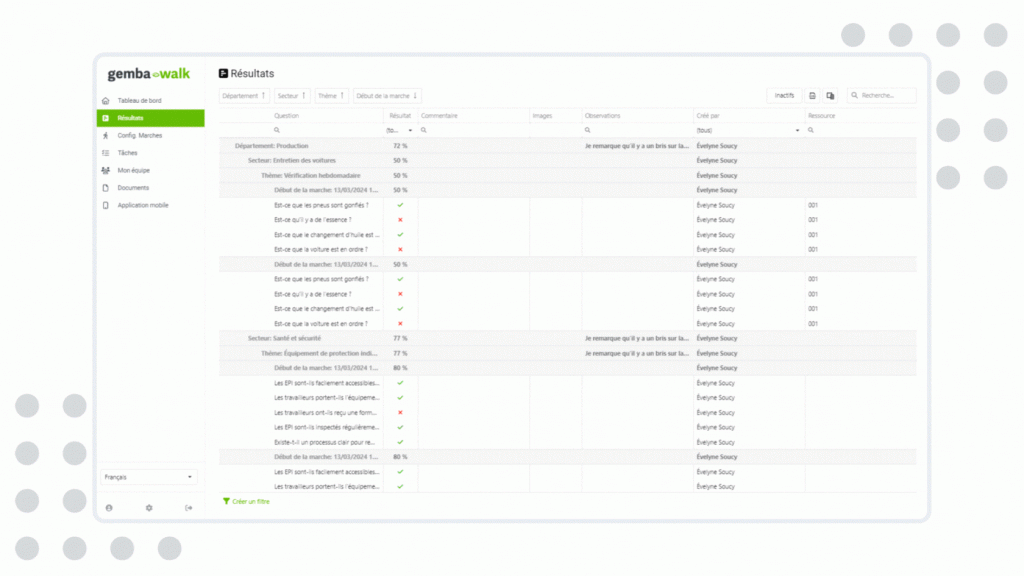
To facilitate this process, the Gemba-Walk App has a user-friendly interface that allows for easy recording of observations, with features including issue documentation, note-taking, and capturing photos. After a Gemba Walk is completed, the analytics dashboard shows all of the data collected in an easy-to-understand format for further analysis.

Once the findings have been documented, it’s essential to analyze them in order to identify trends, patterns, and areas for improvement. This analysis helps understand issues or bottlenecks that may exist within the company process. By analyzing these insights, you can optimize processes and enhance overall productivity.

8. Identifying Areas for Improvement and Setting Action Plans

To identify areas for improvement and set action plans, you need to actively involve the employees on the shop or factory floor and collaborate with them to develop solutions that address any bottlenecks or inefficiencies. During Gemba walks, it’s crucial to engage in open conversations with the workers and listen to their insights about daily operations. By doing so, you can gain a deeper understanding of their work processes and identify areas that require improvement.

This collaborative approach ensures that employees feel valued and empowered, leading to more effective problem-solving. Once you’ve identified areas for improvement through the Gemba Walk, the next step is to set action plans. This involves analyzing the findings from your observations and discussions with employees. Look for patterns or recurring issues that hinder productivity or quality.

Based on these findings, develop specific improvement actions that target these problem areas. These action plans should be clear, measurable, attainable, relevant, and time-bound (SMART goals). Involving employees in this process helps ensure ownership of the action plans and increases commitment to implementing them.

Digitize your Gemba Walks

Have you ever struggled to remember everything you saw in your Gemba Walk? Well, struggle no more! The Gemba-Walk app is the ultimate tool to digitize and track your Gemba walks. It provides a complete history of all the walks conducted at various sites, allowing for better collaboration among stakeholders and improved strategy development.

Not only will this app help organize and track your walks with ease, but it also provides invaluable insights into trends over time. This allows businesses to be proactive in their decision-making processes by leveraging data gathered from past Gemba walks.

Schedule a demo

10 reasons for interconnectivity in business

With the digital revolution of the industrial era 4.0, new technologies are redefining how we interact within an organization. When we talk about optimization and performance, the interconnectivity of technologies leads companies to review their business processes, target waste and remedy it. The growing need for profitability and the labour challenges facing companies leave no choice but to adapt to changes.

Business interconnectivity offers many benefits and contributes to the development and growth of the organization. Here are 10 main reasons why you should consider fostering interconnectivity in your business:


1- Improved communication

The interconnectivity allows a fast and fluid communication between the different departments and employees of the company. This promotes collaboration, facilitates information sharing and contributes to more effective decision-making.

2- Increase operational efficiency

By connecting internal systems and processes, interconnectivity enables automated tasks and optimizes workflows. This reduces errors, duplication of work and inefficiencies, resulting in an overall improvement in operational efficiency.

3- Real-time data access

Through interconnectivity, employees can access relevant information and data in real time. This facilitates decision-making based on current data and promotes responsiveness to changes and opportunities.

4- Productivity enhancement

Interconnectivity automates repetitive and time-consuming processes, freeing up time for employees. This allows them to focus on higher value-added tasks, boosting their overall productivity.

5- Improved customer experience

Better interconnectivity makes it possible to collect and share more accurate and comprehensive customer information. This allows us to offer a more personalized service, respond quickly to customer requests and increase overall customer satisfaction.

6- Facilitating Innovation

Interconnectivity fosters the exchange of ideas and knowledge between the company’s different teams and departments. This can stimulate innovation by enabling everyone to contribute their skills and expertise, and by fostering collaboration between fields of activity.

7- Cost reduction

By improving operational efficiency, reducing errors and duplication of work, and automating certain tasks, interconnectivity can help reduce the cost of running the business.

8- Strengthening data security

Well-managed interconnectivity allows for robust security protocols to protect enterprise data. When transferring data, no information is stored in the interconnection. Indeed, when the transfer is completed, all the data is erased automatically.

9- Adaptability to change

In an ever-changing business environment, interconnectivity allows the company to adapt more quickly to changes. Interconnected systems can be added, removed, adjusted and reconfigured more easily to meet new requirements and opportunities. Any changes made to a software will not impact other interconnected software, which saves many development costs.

10- Openness to the future

Interconnectivity is a key component of digital transformation, Industry 4.0 and the connected economy. By investing in interconnectivity now, your business will be better prepared to take advantage of emerging technologies and future growth opportunities.


Why Iconnek ?

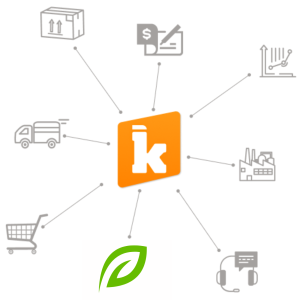
Iconnek offers a technology integration solution for companies to optimize and automate their business processes and operations. The API integration platform offers the ability to interconnect the entire enterprise digital ecosystem across a single environment.

Iconnek’s strength lies in its “hub-and-spoke” architecture, which adapts to digital evolution and process changes over time, without creating enormous complexity, delays and development costs. Iconnek can collect a rich mosaic of data points in real time or planned with more data than a single flow from point A to point B. Configurators allow you to modify integrations, to adapt to a company’s more specific needs.

Many communication protocols are supported by the platform, including MQTT, the standard used by IoT (Internet of Things). Whether it’s robots, on-premises software or cloud computing, all types of data can be synchronized, without any limit. The Iconnek team oversees the transport of your data and the maintenance of integrations.


What about Gemba-Walk?

The Gemba-Walk is a management method that consists of going to the real work site, where the operations take place, in order to observe, understand and improve the processes. By combining Gemba-Walk with interconnectivity, it is possible to bring many benefits to a company.

First of all, the Gemba-Walk allows executives and managers to become familiar with the daily activities of the company. By visiting the workplace, they can observe operations in real time, ask questions of employees and get a concrete view of the challenges and opportunities. This promotes a deeper understanding of processes and allows for more informed decision-making.

By adding interconnectivity to this approach, the benefits are amplified. Interconnectivity refers to the connectivity between different systems and technologies used in the enterprise. This may include the use of sensors, smart devices, supply chain management software, real-time tracking solutions, etc.

Interconnectivity enables the collection of valuable process data in real time. For example, sensors can measure machine performance, software can track workflows, and smart devices can provide information on inventory status. This real-time data can be combined with observations from the Gemba-Walk for better analysis and faster decision-making.

By using interconnectivity, businesses can also automate certain processes, saving time and improving efficiency. For example, data collected in real time can trigger automated alerts or corrective actions to resolve issues quickly. The risk of errors is also reduced since the “copy and paste” aspect is avoided in the data transfer and any compliance or corporate standard is respected.

Interconnectivity also facilitates communication and collaboration between the different actors in the company. Data and information can be shared more easily, promoting transparency and collective decision-making. Employees can access information relevant to their work, which allows them to better understand their impact on the entire company. Their work is also lighter because we avoid data compilation and printing and transferring papers, in addition to allowing them to focus on their real work.


In summary, the use of Gemba-Walk in combination with interconnectivity can help a business by providing a better understanding of processes, more informed decision-making, improved efficiency and collaboration. These approaches promote innovation, responsiveness and competitiveness in the marketplace.

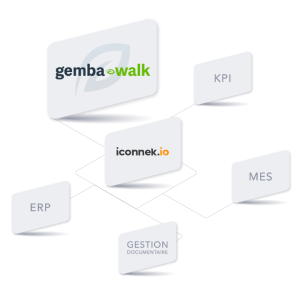
To integrate Gemba-Walk with Iconnek, contact us!

How Long Should A Gemba Walk Typically Last?

In today’s fast-paced business environment, optimizing productivity and operational efficiency has become more crucial than ever. Companies across various industries are constantly seeking ways to streamline their processes, minimize waste, and enhance overall performance. One such approach gaining significant traction is the “Gemba Walk.”

The term “Gemba Walk” originates from the Japanese word “Gemba,” which means “the real place” or “where the work happens.” It refers to a practice wherein leaders and managers immerse themselves in the actual work environment, directly observing operations, and engaging with frontline employees. By doing so, they gain valuable insights into day-to-day processes, identify areas for improvement, and foster a culture of continuous improvement.

While the importance of conducting Gemba Walks is widely recognized, determining the optimal duration of these walks remains a topic of debate. In this blog post, we explore the factors that influence the duration of a Gemba Walk and provide insights into determining the ideal length for different situations. Whether you’re a seasoned manager looking to refine your Gemba Walk practices or a curious professional interested in learning more, this article will equip you with the knowledge to make informed decisions.

What Is A Gemba Walk?

A Gemba walk is a systematic approach to the continuous improvement process developed by Taiichi Ohno, the father of Toyota’s Lean Manufacturing System. Gemba walks are conducted on the factory or shop floor and involve leadership teams visiting departments or processes in real-time to observe operations and identify areas for potential improvement. This method provides an opportunity for leaders to gain first-hand knowledge about what is occurring on the production floor and how it can be improved.

Why Are Gemba Walks Important?

Here are some key reasons why Gemba Walks are considered crucial:

  • Real-time understanding of operations: Gemba Walks provide leaders and managers with a firsthand, real-time understanding of how work is actually being done on the ground. By physically being present at the “Gemba,” which is the actual place where the work happens, they can observe processes, identify bottlenecks, and gain insights into the challenges faced by frontline employees. This direct observation helps leaders make more informed decisions and implement effective solutions.
  • Employee engagement and empowerment: Gemba Walks foster a culture of employee engagement and empowerment. When leaders actively involve themselves in the work environment, they show a genuine interest in understanding the perspectives of frontline employees. This approach encourages open communication, collaboration, and employee involvement in problem-solving initiatives. Employees feel valued, and their contributions are recognized, leading to increased motivation and job satisfaction.
  • Identification of waste and inefficiencies: Gemba Walks enable leaders to identify waste and inefficiencies in processes. By observing operations on the ground, they can spot areas where time, resources, or effort are being wasted. This could include unnecessary movement, overproduction, waiting times, or defects in the production line. Such insights allow leaders to implement process improvements, eliminate waste, and optimize overall efficiency.
  • Continuous improvement: Gemba Walks form a fundamental part of the philosophy of continuous improvement, also known as Kaizen. By regularly engaging in Gemba Walks, leaders demonstrate their commitment to continuously seeking ways to enhance operations. The insights gained from these walks feed into improvement initiatives, such as implementing lean methodologies, reducing cycle times, or enhancing product quality. This culture of continuous improvement helps organizations stay competitive and adapt to changing market demands.
  • Development of frontline leadership: Gemba Walks offer an opportunity for developing frontline leadership skills. When managers immerse themselves in the work environment, they build rapport with employees, understand their challenges, and develop a sense of empathy. This hands-on experience allows managers to become better coaches, mentors, and advocates for their teams. It also provides them with a deeper understanding of the business processes, enabling them to make more informed decisions.

5 tips to continuously improve your business 

Benefits Of A Gemba Walk

Increases Leadership Knowledge

Regularly walking the work floor allows managers to learn more about the operations of their organization, such as day-to-day activities as well as standard work. This real-time connection increases visibility and allows for possible problems or bottlenecks to be identified quickly so preventative action can be taken.

Additionally, this practice allows top-level leadership to better understand the flow and cadence of the day-to-day processes, which in turn provides them with better insight into how they can improve certain areas of operation. This knowledge helps leadership stay proactive rather than reactive, empowering them to make decisions based on accurate information and current data.

Improves Employee Engagement

Gemba walks improve employee engagement by providing visibility, recognition, empowerment, and involvement. When leaders actively participate in Gemba walks, they demonstrate a genuine interest in understanding the work processes and challenges faced by frontline employees. This involvement creates a sense of empowerment, as employees feel their opinions and insights are valued.

Gemba walks also provide an opportunity for employees to contribute ideas and suggestions for improvement, fostering a culture of collaboration and active participation. By engaging employees at the source of their work, Gemba walks promote a stronger connection between employees and their organization, leading to increased engagement and motivation.

Increases Productivity

Gemba walks improve productivity by enabling leaders to observe work processes directly and identify opportunities for improvement. By being physically present in the work area, leaders can identify bottlenecks, inefficiencies, and waste in real-time. This firsthand observation helps them understand the root causes of productivity issues and implement targeted solutions.

Gemba walks also facilitate collaboration and communication between leaders and frontline employees, fostering a culture of continuous improvement. Engaging employees in problem-solving initiatives and implementing their suggestions leads to streamlined processes, optimized workflows, and increased productivity throughout the organization.

Preparing For A Gemba Walk

Preparing for a Gemba walk is essential to ensure it runs smoothly and that the team gets the most out of their experience. Gemba walks are an effective lean management tool when done correctly, so it is essential that you adequately prepare for the walk.

Here are the steps to prepare for your next Gemba walk:

  • Determine the purpose and scope of the Gemba walk;
  • Identify the areas or processes to be observed during the walk;
  • Inform the team members who will be involved in the walk and explain the objectives;
  • Plan questions or discussions to have with the employees or team members during the walk.

Why walk the floor of your business?

What Is The Ideal Length Of A Gemba Walk?

The ideal length of a Gemba walk depends on factors such as the purpose, scope, impact on operations, frequency, and employee involvement. While there is no fixed duration, it is generally recommended to keep Gemba walks relatively short and focused to maintain effectiveness.

It should provide sufficient time for observation, understanding of processes, and employee engagement without disrupting regular operations. Balancing these considerations will help determine the optimal duration, allowing leaders to gather meaningful insights, drive improvements, and foster a culture of continuous improvement.

Factors That Influence The Length Of A Gemba Walk

  • Purpose and objectives: The purpose of the Gemba walk and its specific objectives play a significant role in determining its duration. If the goal is to gain a general overview or address specific issues, a shorter walk may be appropriate. However, if the objective is to conduct a thorough analysis of a process or area, more time will be required.
  • Scope of the walk: The scope of the Gemba walk, whether it focuses on a specific department, process, or the entire organization, will impact its duration. A broader scope may necessitate a longer walk to gather comprehensive insights, while a narrower focus may allow for a shorter duration.
  • Size and complexity of the organization: The size and complexity of the organization being observed can influence the length of the Gemba walk. Larger organizations with numerous departments or extensive processes may require more time to cover all relevant areas adequately.
  • Depth of observation: The depth of observation required during the Gemba walk will affect its duration. If a detailed analysis of processes, interactions, and workflows is necessary, more time will be needed compared to a more superficial observation.
  • Frequency of Gemba walks: The frequency at which Gemba walks are conducted can impact their length. If Gemba walks are a regular practice, shorter durations may be sufficient as they allow for more frequent engagement with different areas. However, if Gemba walks are less frequent, leaders may need to allocate more time to gather comprehensive insights during each visit.
  • Availability of key personnel: The availability of key personnel, such as process owners or employees involved in the observed processes, can affect the duration of the Gemba walk. Scheduling considerations may need to be taken into account to ensure relevant individuals are present during the walk.
  • Organizational culture and practices: The organizational culture and practices can also influence the length of a Gemba walk. Some organizations may have a more structured approach with specific time limits, while others may have a more flexible approach allowing the walk to extend as needed.

By considering these factors, leaders can determine an appropriate length for a Gemba walk that allows for effective observation, engagement, and the achievement of desired outcomes.

3 Tips To Make The Most Of A Gemba Walk

  • Utilize Gemba Walk Software

Utilizing Gemba walk software offers several advantages for organizations. This software provides a digital platform to streamline and enhance the Gemba walk process by facilitating data collection, analysis, and collaboration. It allows leaders to efficiently capture and document observations, track improvement initiatives, and generate insightful reports.

Gemba walk software also enables real-time data sharing, enhancing communication and collaboration among team members. Additionally, it provides a centralized repository for storing and accessing historical data, facilitating trend analysis and continuous improvement efforts. Overall, Gemba walk software improves efficiency, accuracy, and the overall effectiveness of the Gemba walk process, leading to better decision-making and enhanced organizational performance.

Discover The Gemba Walk App 

  • Schedule Gemba Walks Often

Unfortunately, striking up a balance between carrying out too many Gemba walks or too few can be difficult. If you don’t do them often enough then it will be hard to spot any problems quickly enough before they become major issues. However, if you do them too frequently then they start losing meaning and it can become difficult to identify ideas for improvements.

The key is to create a schedule that works for everyone involved without being too overbearing in terms of the time taken for each walk. Ideally, you should do them on a weekly basis rather than once a month. However, depending on the size of your organization this might not always be feasible.

  • Choose A Theme For Each Walk

Having a theme for each Gemba walk is essential for effective and efficient use of time. The goal of Gemba walks is to identify potential process improvements or problems that can be solved, but this requires analyzing multiple aspects of the process. It’s impossible to try to assess every aspect of every process during one Gemba walk because this would take far too much time. By selecting a specific focus or theme for the particular Gemba walk, you can hone in on areas that require improvement.

How To Document Findings From A Gemba Walk

The number one way you can optimize your Gemba walks is by investing in a Gemba walk app. Our app allows you to:

  • Categorize your Gemba walks by team or department;
  • Automate what you would normally do manually to avoid oversights;
  • Record your observations and take photos during your Gemba walks;
  • Integrate tolerance thresholds or performance tracking into your Gemba walks;
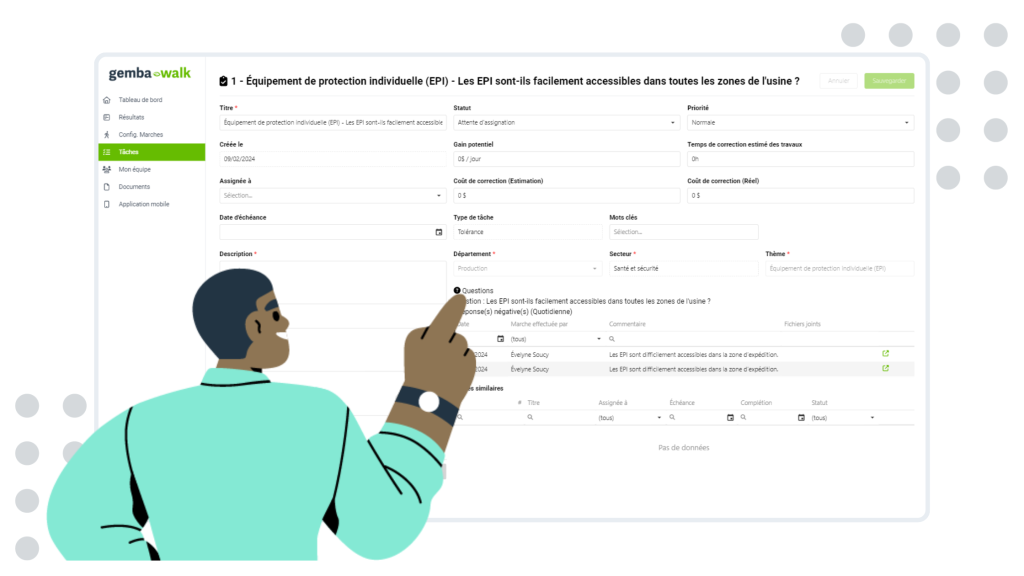
  • Assign tasks to team members to quickly act on areas for improvement identified during your walks;
  • View statistics and graphs directly from the dashboard;
  • And more!

Get a demo 

Getting the most out of your retail floor team

A strong and effective retail sales team can help drive revenue, increase customer loyalty, and make your company stand out from competitors. However, it takes more than just hiring talented people to create an effective sales team; you must also train them with the skills they need to succeed.

The good news is that there are some simple yet powerful tips for increasing the effectiveness of your retail sales team. From providing comprehensive training to establishing clear goals and objectives, these tactics will ensure that everyone on your sales force is working towards the same goal: maximizing profits while enhancing customer satisfaction. In this article, we share tips to optimize the potential of your retail sales team.

Why is working in retail so stressful?

Jobs related to customer service are closely linked to high levels of stress. There are several reasons to which these high rates can be attributed:

Long working hours: one of the most frequent arguments is the number of hours employees have to work, and to this we can add that in many occasions working hours vary constantly.

Time away from loved ones: long working hours result in a significant reduction of time spent with family or loved ones.

Cranky customers: this is probably one of the most repeated complaints by retail workers. Dealing with the public often means dealing with angry or upset customers, which can result in tense and complicated situations.

Special days: in the case of special or festive dates (Christmas, sale days, among others), working hours are often more intense than usual. Added to this is the high number of customers who visit retailers during these dates.

9 tips to increase the effectiveness of your retail sales team

Perform Gemba walks

Gemba walks are a technique based on walking the floor and observing the workplace. This strategy aims to increase the productivity of a business and safety of workers. As the name of the technique indicates, it consists of walking and touring the work site, using a previously prepared and generally standardized list.

This list serves as a guide for the evaluators, who use it to have an adequate and systematized follow-up of the processes, improve their performance, and detect areas and opportunities for improvement. Besides allowing a better control and thorough knowledge of the processes, Gemba walks encourage employees to participate more actively.

Why walk the floor of your business?

Use assessment tools

Retailers can take advantage of assessment tools, which are designed analyze the skills of employees. This allows managers to have more information about their team, which facilitates decision-making when it comes to taking measures to enhance retail workers’ strengths and correct weaknesses.

If you’re interested in testing your workers’ skills or in improving your recruitment practices, HRID has more than 20 years of experience developing assessment tools that suit different organisations’ selection needs. Their solutions have been developed by academics, human resources professionals, and experts in the field of psychometric testing.

Here are examples of assessment tools:

Browse their test catalog

Develop an incentive program

Developing an incentive program is an effective way to increase the effectiveness of a retail sales team. By providing incentives such as bonus pay or recognition awards, sales managers can motivate their teams to perform better and achieve higher customer satisfaction ratings. This consequently leads to increased customer engagement, improved customer experience and more potential customers for the business.

A well-crafted incentive program also reinforces loyalty among existing customers and encourages positive reviews that spread across social media channels. It further enables sales teams to develop product knowledge which in turn helps them identify new sales opportunities with ease. Additionally, by incentivizing top performing sales executives within the organization, it keeps them motivated to exceed expectations on a consistent basis.

Provide regular training

Providing regular training is essential for the success of any retail sales team. By offering ongoing training, sales professionals can stay up-to-date on daily tasks, trends in their industry and ways to increase sales productivity. This is especially true for brick and mortar stores that must adjust to changing consumer behaviors.

Regular training also helps give employees a better understanding of the store’s products, services and organizational objectives. Sales content should be regularly updated so that employees are knowledgeable about new or improved offerings. Additionally, it’s important to provide guidance around product placement, customer service expectations and other operational topics related to running an effective business. With sufficient knowledge in these areas, sales teams will have greater acumen when serving customers and achieving results.

Foster teamwork and collaboration

It is essential that sales activities are performed as a unit, instead of each individual working separately. Through cooperation between members of the sales team, customer satisfaction can be increased and overall performance improved.

By encouraging sales staff to work together on tasks such as following up with customers or helping browsers become buyers, productivity will increase. This kind of collaborative effort ultimately leads to better results. It’s important that managers lead by example when it comes to fostering teamwork among their staff.

After all, if employees don’t see management exhibiting these behaviors themselves then they won’t follow suit either. Sales tips like actively listening to coworkers, recognizing successes, and providing constructive feedback should be encouraged across teams so every member feels supported and valued for their contributions to the group’s success.

Invest in technology to streamline processes

Technology is a powerful tool that can be used to increase the effectiveness of any retail sales team. By utilizing technology, retailers can streamline processes and enable their teams to focus on more important tasks, such as customer service and business acumen. Sales enablement platforms provide an array of features that allow managers to monitor KPIs, optimize sales routes, manage online sales and product returns, track average time spent at each cash register, and automate administrative tasks so employees have more freedom to interact with customers.

In addition to providing all these benefits, sales enablement software also offers increased visibility into the performance of individual members on the team. Managers are able to keep track of which strategies are working for certain individuals or groups within the team and make adjustments accordingly. This helps ensure everyone has higher success rates when it comes to making sales.

Set clear goals and objectives

Setting clear goals and objectives is a key factor in creating successful sales strategies. Retailers need to have a plan that outlines what their team should be aiming for, whether it’s increasing total revenue or offering additional products during busy periods. By providing each member of the sales staff with specific targets and expectations, companies can ensure they are achieving success on the sales floor.

Having measurable benchmarks helps retailers move forward with their sales cycle by allowing them to assess how well the team is doing at any given time. This also gives employees something tangible to strive towards, rather than just working hard without any direction. Moreover, setting clearly defined goals makes it easier to recognize when an individual or group has gone above and beyond what was expected of them, leading to more motivated team members who stay engaged over longer periods of time.

Measure performance and reward success

Establishing an effective performance measurement system is a key factor in increasing the effectiveness of any retail sales team. In order to ensure that everyone on the team understands their goals and expectations, it’s important to clearly define what success looks like and how it will be measured. This could include setting specific targets for each individual, such as customer satisfaction ratings or sales numbers. It may also involve conducting regular reviews with all members of the team so progress can be tracked over time.

In addition to measuring performance, rewarding successful behavior can help motivate your staff and encourage them to keep striving for excellence. Rewarding employees when they reach their goals helps create a positive atmosphere within the workplace, where people feel appreciated for their hard work. Rewards don’t have to be expensive; recognition from colleagues or even simple rewards like extra days off are often enough incentive for employees to continue working hard.

Implement visual merchandising strategies

Visual merchandising strategies play an important role in attracting customers to your store and increasing sales. By implementing visual merchandising techniques, you can create an eye-catching display that will draw people in and enhance their shopping experience. A well-designed visual layout should focus on three main elements: product arrangement, lighting, and signage.

Product arrangement is about displaying merchandise clearly so that it’s easy for shoppers to find what they’re looking for. Lighting has a big impact on how products are perceived; use spotlights or LED lights to highlight certain items or draw attention to displays. Finally, signage is essential for guiding shoppers around the store and providing information about offers or promotions.

To maximize their effectiveness, visual merchandising strategies should be tailored to reflect the unique character of your business while also creating an inviting atmosphere that encourages customers to explore further. Consider using colors, shapes, textures, and materials that evoke emotion and match the style of your brand – this will help differentiate you from other stores and give customers something memorable to take away with them after their visit.

What is continuous improvement in business?

Gemba Walk Application

Looking to get the most out of your retail floor team? The Gemba Walk App is a powerful tool for continuous process improvement. It is designed to be used in different sectors (industry, construction, healthcare, agriculture, retail, etc.) in order to identify areas of improvement and digitize Gemba walks to make data collection easier.

Digitize your Gemba walks

11 Ways To Reduce Accidents In The Manufacturing Industry

Accidents in the manufacturing industry can be fatal and cost businesses thousands of dollars. Thankfully, there are many ways to reduce the risk of accidents in manufacturing, from establishing safety protocols to investing in technology. Although it requires time and effort, businesses must take proactive steps to protect their employees and keep their operations running smoothly.

From investing in employee training to performing regular Gemba walks, businesses can make sure that their employees are safe and minimize the risks associated with operating a factory or a manufacturing facility. In this article, we share industry expert tips to help you minimize the risk of costly and dangerous accidents in the workplace.


Best Practices To Optimize Safety And Health At Work In The Manufacturing Industry

1. Establish A Strong Safety Culture

Establishing a strong safety culture in the manufacturing industry is essential to reduce accidents. Properly training employees on safety protocols as well as providing adequate safety equipment is necessary to ensure everyone’s health and well-being. That being said, it’s not enough just to provide the tools, you also have to make sure that safety practices are followed strictly.

Occupational safety and health should be a priority for all manufacturing organizations. Enforcing proper safety measures can greatly reduce the risk of accidents, which could otherwise lead to serious injury or death. Safety-related policies should also be reviewed regularly to ensure that they are up-to-date with industry standards. Training must be provided regularly so that everyone is familiar with the company’s expectations and procedures in order to create an effective culture of safe work practices.

What is safety in the manufacturing industry?


2. Provide Adequate Training

Adequate employee training is an essential part of reducing accidents in the manufacturing industry. From safety hazards to protective equipment, every aspect of workplace safety must be addressed in order to reduce the likelihood of work-related injuries. When employees are equipped with the knowledge and tools they need to do their job safely, they become more confident in their ability to maximize productivity while minimizing risk.

For manufacturers looking to reduce the number of accidents on their premises, providing adequate training should be a priority. Employees should have a comprehensive understanding of safety procedures involving machines and heavy equipment, as well as understand how to properly use protective gear like gloves, goggles, and clothing. Additionally, workers should be able to identify potential hazards and know how to take steps to prevent them from becoming dangerous issues.

Manufacturers that offer regular safety seminars or workshops for their employees can help ensure that everyone is aware of both general safety rules and specific procedures for each task. It’s also important for employers to consider providing refresher courses throughout the year so that workers stay up-to-date on safety protocols and regulations.


3. Create Clear Policies And Procedures

Manufacturing companies should create clear policies and procedures that are rigorously followed by workers. This is more than just a matter of following industry regulations, it’s about creating an environment in which employees feel safe enough to speak up when they spot something potentially hazardous. This is especially important in manufacturing plants where the use of heavy machinery can cause serious injury if not handled properly.

Communication is key to making sure everyone knows what is expected of them, which is why it’s important to have a system in place that ensures all new policies or changes are quickly shared with staff. This can include regular emails or meetings, but there should also be a way for employees to ask questions about anything they don’t understand or need more information on. Ultimately, this will create an atmosphere of trust between management and workers which will lead to fewer accidents in the workplace.


4. Implement Automation And Robotics

In order to reduce the number of accidents in the workplace, it’s important to consider how advances in automation and robotics can help create a safer environment for workers. Robotic safety interventions can be especially useful to prevent slip and fall accidents, one of the most common causes of occupational injuries. Robots are able to identify potential hazards more quickly than human workers could, allowing them to take action before accidents occur.

Automated systems can also monitor hazardous areas and alert workers if they enter a dangerous zone. This helps to reduce the risk of injury from hazardous materials or equipment that may have been overlooked by human workers.  By implementing automation and robotics into manufacturing processes, companies can improve their safety management systems and reduce the risk of accidents on the job.

Safety walk vs. Gemba walk


5. Promote Ergonomic Practices

Ergonomic practices are an essential part of keeping employees safe and healthy. Ergonomics focuses on the interaction between people and their environment and can be used to reduce the risk of employee injuries and other potential risks. Good ergonomic practices can range from specific equipment designed for comfort and safety (like adjustable chairs or keyboards) to changes in how workers interact with machines or materials.

For example, when working with heavy machinery or materials, providing a ramp or lift assist can help reduce the strain on workers’ backs. Providing tools that are designed for comfort can help reduce arm and wrist strain due to repetitive motion tasks. In addition to physical support, providing workers with regular breaks can help reduce fatigue-related errors or accidents.

Creating a culture where workplace safety is encouraged is also important to promote ergonomic practices in manufacturing settings. Encouraging open dialogue about potential risks can help identify areas where injury risk may be higher. Regular training sessions on ergonomics and safety protocols should also be incorporated into a successful safety program to ensure that all employees have the latest information on best practices to reduce workplace injuries.


6. Maintain Equipment And Machinery

No one wants to be the person responsible for a work-related accident, especially in the manufacturing sector. That’s why it’s so important to maintain equipment and machinery that is used in manufacturing and construction sites. Proper maintenance can help reduce the chances of fatal accidents, especially when working with flammable materials or hazardous materials.

When machines aren’t properly maintained, they become more prone to breakdowns and malfunctions, which can lead to work-related injuries or death. It’s essential that employees receive proper training on how to use and maintain the equipment they are operating. This includes regularly checking the safety features of the machine, such as emergency stop buttons, interlocks, and guards, as well as ensuring all components are functioning properly before use. Regular maintenance checks should also be conducted on a regular basis.

In addition to regular checks and maintenance, business owners should invest in good quality protective gear for manufacturing workers. This includes gloves, goggles, helmets, respirators, and other protective items such as flame-retardant clothing. By equipping their employees with the right safety gear, manufacturers can further reduce the likelihood of accidents occurring in their facilities.

7 effective cost saving ideas for manufacturing companies


7. Monitor For Hazards Regularly

Monitoring for hazards regularly is essential to reduce accidents in the manufacturing industry. The potential risks of slips, trips, and falls are especially common and must be identified in order to ensure a safe working environment. According to the Health and Safety Executive (HSE), investing in regular monitoring of hazards can prevent an estimated 60% of all accidents that occur in manufacturing environments. Companies should invest time and resources into creating a comprehensive risk assessment plan that identifies any existing or potential threats to employee health and safety.


8. Invest In Personal Protective Equipment

Personal protective equipment (PPE) refers to items used by workers to protect themselves from hazardous conditions in the workplace. These items can range from safety goggles and face shields to helmets and gloves. Even something as simple as a hard hat can make a huge difference when it comes to preventing accidents at a manufacturing site. Safety protocols should also be established so that workers know how and when these items should be worn.

In addition, employers must be prepared for any potential accidents that may occur despite the use of personal protective equipment. They should have adequate procedures in place for responding quickly and effectively if an accident takes place. Training sessions should be provided so that employees are aware of the dangers they could face in their workplace and know how to best respond to them.


9. Implement Quality Control Measures

Quality control measures can help reduce the likelihood of accidents occurring on the factory floor. They involve monitoring processes and ensuring that safety protocols are being followed at all times. Quality control measures also involve regularly inspecting equipment to identify any potential problems before they become more serious. By implementing quality control measures, manufacturers can focus on prevention rather than reaction when it comes to ensuring a safe environment for their workers.

How to improve your business with Gemba Walk


10. Perform Risk Assessments

By looking ahead and breaking down tasks into smaller steps, risk assessments can help identify possible problems before they occur. This allows for proactive solutions to be put in place. These solutions might include redesigning certain tools or processes, adding safety equipment, or training personnel on the proper use of tools or machines.

It may even mean changing the physical layout of the environment to reduce the potential for accidents. Risk assessments can help prevent costly mistakes and protect workers from avoidable harm. They provide an overview of what needs to be done and allow businesses to identify areas where improved safety measures are needed.


11. Perform Safety Gemba Walks

The workplace can be a dangerous place. When it comes to manufacturing, the risk of nonfatal injuries and fatalities is high. That’s why it’s important to take proactive steps to reduce danger in the workplace. One such step is performing Gemba walks, which involves inspecting the environment for potential safety risks and hazards.

Gemba walks give supervisors and managers an opportunity to observe how workers interact with each other, as well as how they use their tools and equipment. This helps them identify potential problems that could lead to workplace accidents or injuries. It also allows them to make sure that proper safety equipment is being used by employees and that workers are adhering to the safety policies and procedures put in place by the company.

Digitize your Gemba Walks

7 effective cost saving ideas for manufacturing companies

Manufacturing is an expensive undertaking. Due to the many direct and indirect costs that it involves, it is imperative to manage expenditures wisely. But then, how does one keep costs down in manufacturing without compromising product quality? In this expert guide, we explain the different costs that underlie the manufacturing process, as well as share tips to help manufacturers cut down on expenses.


Understanding manufacturing costs

The first step towards understanding how to save money in the manufacturing industry is to understand where your costs are coming from. Manufacturing costs refer to any costs incurred during the manufacturing process. They include both direct costs and indirect costs.

Below are some of the manufacturing costs you should be aware of:

  • Labor costs
  • Raw material costs
  • Overhead costs
  • Energy costs
  • Equipment costs
  • Administrative costs
  • Insurance coverage costs
  • Shipping costs
  • Etc.

How to implement continuous improvement in your business


7 ways for manufacturers to cut down costs

Keeping costs down is essential if manufacturers want to return a profit. In order to help you better understand how to identify cost-saving avenues, we share useful favorite cost-reduction techniques below.

Audit your facility

Before you can start cutting costs, you need to have a comprehensive understanding of what your current costs are. In order to do so, you should undertake a thorough assessment of your facility. If you skip this step, you won’t be able to identify the areas where you are being inefficient with your spending.

You should carry out a full audit of all manufacturing costs throughout the production process over a set period of time. Once you have a thorough understanding of each cost you incur, you can begin to identify trends and areas where you can cut back on. For example, you can identify redundant roles, saving opportunities for overheads, or debt management approaches that could save you money.

Perform regular Gemba walks

Gemba walks are a great way to cut down on costs because they help ensure that you are running an efficient business. When your process is efficient, your employees get more done, you manufacture more products, and you increase your profit margins.  Moreover, when you are directly involved on the factory floor, you can identify problems before they occur, thereby saving money in the long term.

The best way to perform Gemba walks is by using a dedicated app that allows you to assess the processes on your factory floor and seamlessly create records based on your findings. Digitizing your Gemba walks can go a long way towards fostering a culture of continuous improvement.

Gemba walks: a key component of leader standard work

Negotiate with suppliers

A huge bulk of your production costs comes from the price of your materials. The best way to limit your material costs, while simultaneously producing quality products, is by negotiating with suppliers. If you have been working with a single supplier for years and have never negotiated your costs, you are missing an important opportunity.

After all, suppliers reward loyalty. By simply talking to your long-time supplier, you can reduce your expenditure on materials. Another way to improve your bargaining power when negotiating with suppliers is to offer to buy your materials in bulk. Most suppliers offer discounts if you bulk-buy their products.

Review staff wages, hours, and roles

This is the most difficult aspect of cost saving in manufacturing. That being said, reviewing the roles and wages of your staff can save you a lot of money. You must keep in mind that staff wages increase with inflation, which you need to be prepared for. You should also continually assess which of your staff positions are absolutely necessary. Once you carry out these assessments, you will likely realize that skilled workers are doing jobs that encompass many things. In other words, you don’t need a separate employee for each role.

However, you also need to be careful with making frequent changes to factory staff wages, hours, and roles. Such changes could lead to unhappy employees, which in turn could cause inefficiency and a high turnover rate. All of these will cost you money in the long run. So, while a review of staff can be helpful, you should not be overzealous with your decision-making.

Review overhead costs

Overhead costs are costs that most manufacturers tend to neglect. It is easy to push these expenses to the back of your mind, as they are indirect costs that don’t have any bearing on the manufacture of your actual product. However, they also constitute a major component of your eventual expenditure.

These expenses include rent, utilities, air conditioning, and cleaning costs. You need to assess whether you need to be functioning in such large warehouses with expensive rents, whether you require daily cleaning, whether you should install smart thermostats to better control your heating, etc. in order to better manage your overhead expenditure.

Perform predictive maintenance

Predictive maintenance is the process of utilizing data to identify possible defects in equipment. If you are able to identify these before they become a major problem, you can save significant amounts of money. Using a system of predictive maintenance helps to ensure that your equipment maintenance costs are as low as possible.

Improve inventory management

Inventory management is key to keeping costs down because material waste can end up being a major contributor to losses. If you fail to properly manage your inventory, you could end up with too much or too little stock, both of which will cause huge problems and end up costing you a lot of money.

With a solid inventory management system, you can ensure that such waste doesn’t occur. On the other hand, if you don’t have enough materials on site, you will be unable to manufacture your product. In the process, you will lose potential revenue from every unit that you were unable to make. Keeping on top of your inventory is essential if you want to keep down costs, and maximize profits.


Gemba Walk App

If you are looking for a way to not only minimize your costs, but also maximize your efficiency, the Gemba Walk app is the ultimate solution. Our Gemba Walk App is designed to make the entire lean manufacturing process easier by digitizing your Gemba walks.

Our Gemba Walk software allows you to:

Take thorough notes of issues and problems using checklists, textual notes, pictures, etc.

Reduce data collection time

Generate actionable insights and ideas

Integrate insights into your preferred task management tools

Get in touch with us for a pricing plan that suits your budget